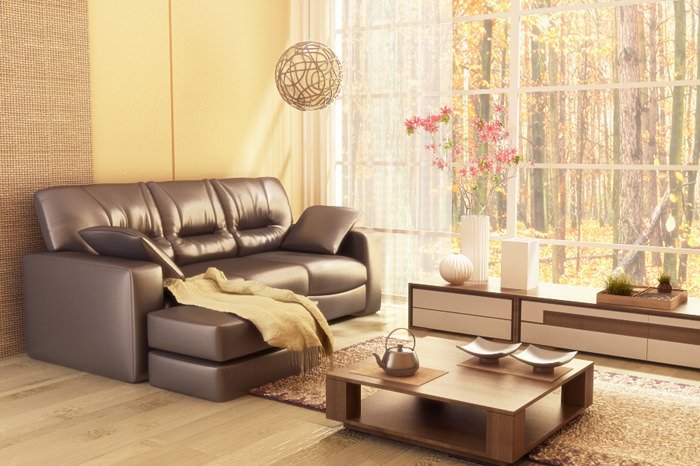
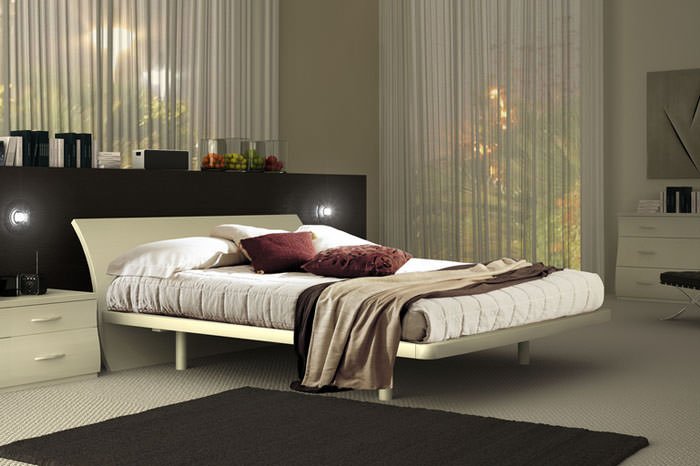
Residential design is the specialized branch of architecture focused on creating functional and beautiful living spaces. It balances technical construction with the personal expression of the homeowner.
Key Elements of Modern Design:
Smart Space Planning: Organizing layouts to ensure a seamless flow between private and social zones.
Open Floor Plans: Removing unnecessary walls to create a sense of spaciousness and shared light.
Natural Light: Using large windows and skylights to maximize daylight and improve well-being.
Proper Ventilation: Ensuring fresh air circulation to maintain a healthy indoor environment.
Eco-friendly Materials: Using recycled wood, bamboo, or local stone to reduce the carbon footprint.
Energy Efficiency: Installing high-quality insulation, LED lighting, and solar power systems.
Smart Integration: Using automated systems for security, climate, and lighting control.
Biophilic Design: Bringing nature inside through plants and natural timber or stone textures.
Ergonomics: Ensuring all furniture and fixtures are designed for human comfort and ease.
The Essence of Residential Design
Residential design is the art of crafting living spaces that prioritize both comfort and functionality. It focuses on optimizing the flow between rooms, maximizing natural light, and selecting sustainable materials that reflect the homeowner’s unique lifestyle. By integrating smart technology and ergonomic layouts, modern residential design transforms a simple structure into a personalized sanctuary. The goal is to create a harmonious environment where aesthetics meet daily practical needs, ensuring every square foot is utilized efficiently for a peaceful and organized home life.
Modern Residential Architecture
Residential design focuses on creating a seamless balance between architectural beauty and daily utility. It involves the strategic use of open layouts, natural ventilation, and high-quality materials to enhance the living experience. A well-planned home not only maximizes the available square footage but also integrates personal style with modern technology. By prioritizing ergonomics and smart spatial arrangements, residential design ensures that every room serves a specific purpose while maintaining a cozy, welcoming atmosphere for the family.